
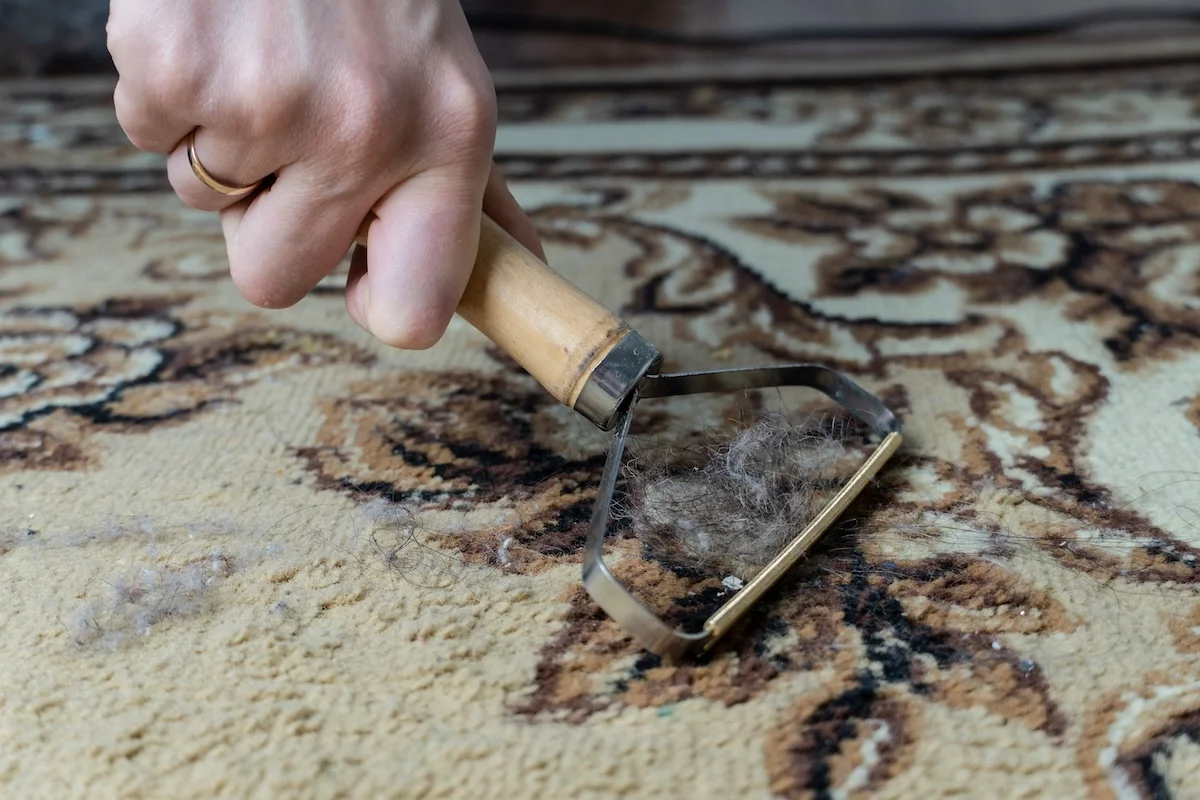
If you wake up sneezing, rub itchy eyes every afternoon, or notice that your symptoms ease when you leave the house, your carpet may be part of the problem. Carpet is excellent at trapping things, and that is exactly what makes it a concern for allergy sufferers. Dust, pollen, pet dander, and dust mite waste settle into the fibers and backing, then return to the air every time someone walks across the room. Therefore, understanding what carpet holds and how to remove it can make a real difference in how your home feels to breathe in.
Many households assume that frequent vacuuming is enough to keep allergens under control. Unfortunately, standard vacuuming removes only part of what hides in carpet. Professional cleaning reaches deeper, and it addresses the materials that surface cleaning leaves behind. This guide explains what triggers carpet allergies, why allergens build up, how professional cleaning reduces them, and what you can do between visits to keep your indoor air healthier.
What Carpet Traps and Why It Matters
Carpet acts like a filter that never gets emptied. Its dense fibers catch particles from the air, and its loops and pile hold onto them until something disturbs them. Walking, sitting, vacuuming, and even opening a door can release those particles back into the room. Over time, the amount of material trapped in carpet grows, especially in homes with pets, children, or high traffic.
The most common carpet allergies include dust mite waste, pet dander, pollen tracked in from outside, mold spores, and fine particles from dirt and skin cells. Dust mites are microscopic and live in humid environments, feeding on shed skin flakes. Their waste products are a well-documented trigger for allergic reactions and asthma symptoms. Pet dander is particularly sticky and clings to carpet fibers long after an animal has left a room. Pollen, which can ride in on shoes or clothing, settles into carpet during peak seasons and can stay there for weeks.
Because these particles are small and numerous, the health impact can build gradually. Many people do not connect their symptoms to the floor they walk on every day.
Why Vacuuming Alone Falls Short
Regular vacuuming is essential, but it has limits. Most vacuums pull dust from the top of the pile and leave material deeper in the carpet and padding untouched. Even a good machine can struggle to remove fine particles, and cheaper models may release a portion of what they collect back into the air through worn seals or filters that are not designed to capture the smallest particles.
HEPA-filtered vacuums improve results considerably, since they capture a far higher percentage of fine particles. Still, no vacuum can extract material that is lodged at the base of the fibers or sitting in the padding. That is where professional cleaning makes a measurable difference.
How Professional Cleaning Reduces Allergens
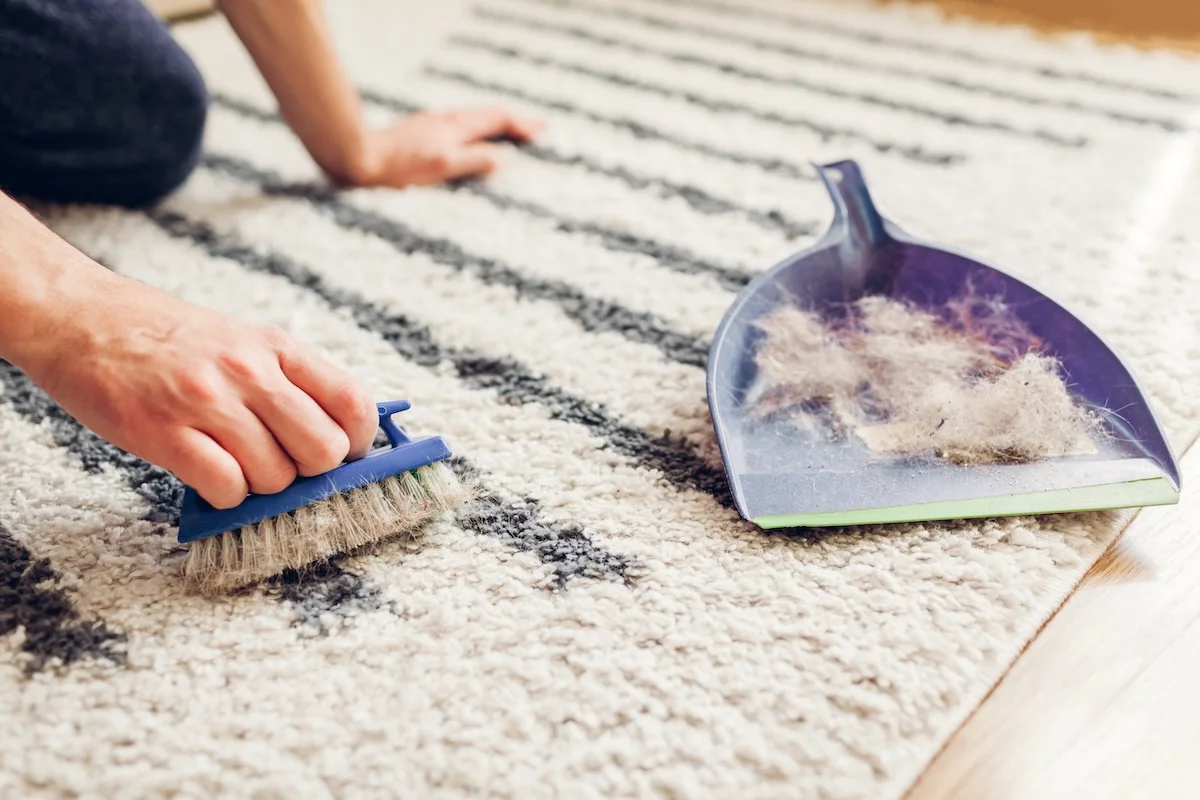
Professional carpet cleaning uses methods that go well beyond what most households can achieve. The most widely used technique is hot water extraction. Technicians apply a heated cleaning solution under pressure, agitate the fibers to loosen embedded particles, and then extract the solution along with the soil and debris it has lifted. This process removes material from deep within the pile rather than just the surface.
Professional equipment also provides stronger suction and more controlled moisture levels than most rental machines. Stronger suction pulls up more particles in a single pass, and proper extraction leaves the carpet less saturated, which reduces the risk of mold growth in the padding. Many professional services also use HEPA-filtered vacuums during the preliminary cleaning stage, which captures fine particles that would otherwise escape into the room.
Some professionals offer additional steps, such as pre-treatment with enzyme-based cleaners, which break down organic residue that can feed bacteria and odor. Others use low-moisture cleaning for situations where soaking the carpet is undesirable. Each approach has its place, and a good technician will recommend the method that suits your carpet type and household needs.
The result is a measurable reduction in the particles that cause symptoms. While every home is different, the combination of deep extraction and filtered suction removes far more allergen material than routine vacuuming alone.
Understanding Realistic Expectations
Professional cleaning reduces carpet allergies, but it does not eliminate allergens entirely. Dust mites and pollen continue to enter the home from outside, pets shed, and people bring in new particles every day. Therefore, the goal is to keep allergen levels low enough that symptoms improve and remain manageable.
Some people notice relief within days of a deep cleaning, while others see gradual improvement over several weeks as the air settles and household habits adjust. It also helps to track when symptoms are worst. If you feel better after leaving the house for a few days, or if your symptoms flare the moment you walk into a particular room, that pattern suggests indoor triggers such as carpet. If symptoms persist even after cleaning, a conversation with an allergist can help identify other triggers, since carpet is only one possible source of indoor irritants. Testing can pinpoint which allergens affect you most, which makes it easier to focus your cleaning efforts where they matter.
Ongoing Habits That Keep Allergens Down
Between professional cleanings, a few habits can help keep allergen levels in check. Vacuum at least once or twice a week with a HEPA-filtered machine, and move slowly so the brush has time to lift particles from the pile. Empty the vacuum or change the bag before it becomes full, since a full vacuum loses suction and releases more dust.
Control humidity as well. Dust mites thrive when indoor humidity rises above about 50 percent, so a hygrometer and a dehumidifier in damp rooms can help. Wash bedding weekly in hot water, and consider washing pet bedding and throws on a similar schedule. Remove shoes at the entrance to limit the amount of outdoor pollen and soil that reaches the carpet.
For households with pets, brushing animals outdoors and keeping them off furniture where possible can reduce dander buildup. Air purifiers with HEPA filters placed in bedrooms and main living areas can also help capture airborne particles between cleanings.
Choosing the Right Cleaning Schedule
Most households benefit from professional cleaning every 12 to 18 months, though the right frequency depends on how the home is used. Homes with pets, young children, or allergy sufferers may need cleaning every six to twelve months. Households with heavy foot traffic or carpets in bedrooms and play areas may also benefit from more frequent service.
Scheduling cleaning before allergy season, or before a new baby or pet arrives, can help create a clean baseline. Some families also schedule cleaning after renovations or construction, since dust from those projects can settle deep into carpet.
Carpet Types and Allergen Considerations
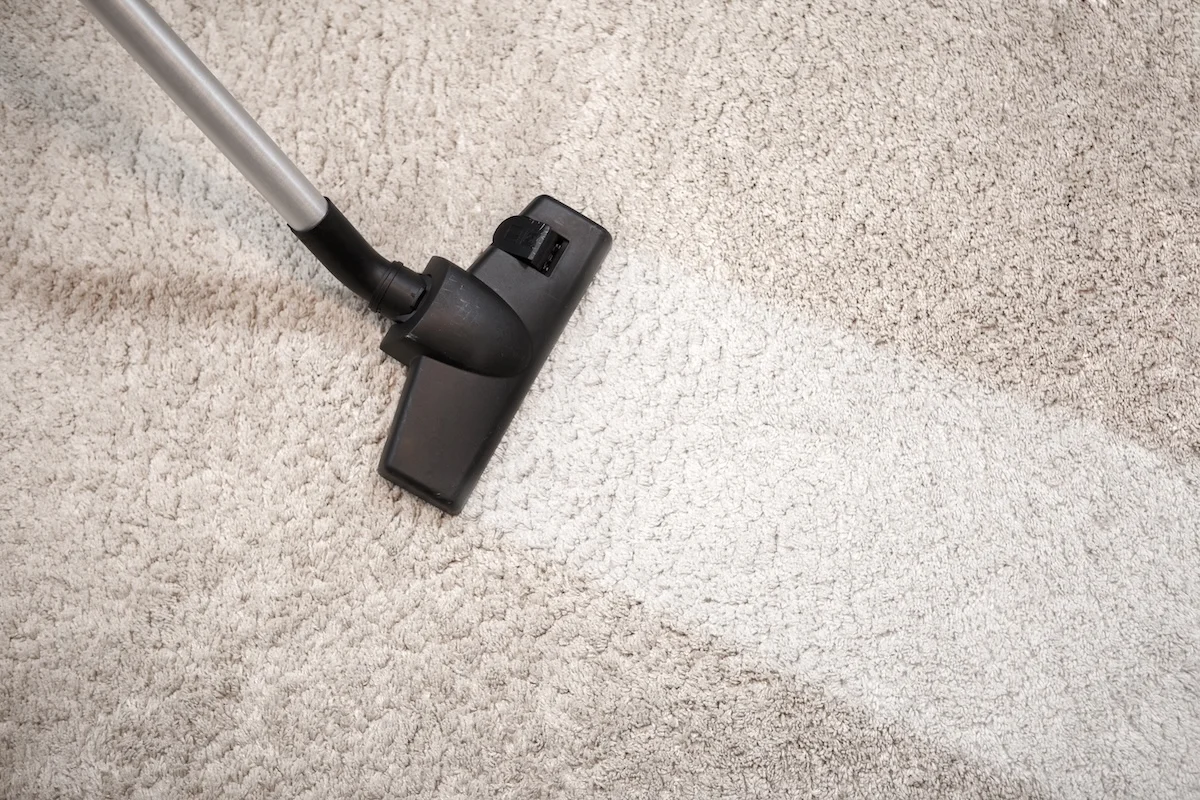
Carpet type affects how much allergen material accumulates. Low-pile and looped carpets tend to trap fewer particles than deep, plush pile, because there are fewer dense fibers for debris to hide in. Smooth, tightly woven constructions are generally easier to clean thoroughly than heavily textured styles. Natural fibers such as wool can resist some allergens, but they require gentler cleaning methods, so it is important to work with a technician who understands their needs.
If you are considering replacing carpet to reduce allergens, look for products with low-emission certifications and consider how the padding and backing might affect moisture and dust. Replacing old, heavily soiled carpet can sometimes provide more lasting relief than repeated cleaning alone, especially if the padding is contaminated.
Health Considerations and When to Seek Help
Carpet allergies and dust-related symptoms can range from mild irritation to serious respiratory problems. If you or a family member have asthma, eczema, or chronic congestion, improving indoor air quality is particularly important. Watch for symptoms that worsen indoors, persist throughout the year, or interfere with sleep. Consult a healthcare provider if symptoms are severe or do not improve with cleaning.
The American Academy of Allergy, Asthma and Immunology offers reliable information on allergy triggers and treatment options, and it can help you understand whether carpet and dust are likely contributors to your symptoms.
For more on keeping sensitive spaces clean, our article on nursery carpet cleaning and safe methods covers low-residue approaches that work well in any home where allergies or young children are a concern.
Professional Carpet Systems: Cleaner Air for Your Home
At Professional Carpet Systems, we understand that clean carpet is about more than appearance. Our technicians use hot water extraction, powerful filtered suction, and residential-safe cleaning solutions designed to lift deep-seated allergens without leaving harmful residue behind. We also evaluate padding and drying conditions to help prevent the moisture problems that can make carpet allergies worse.
If someone in your household struggles with allergies or asthma, a professional deep cleaning can be a meaningful step toward a healthier home. Contact Professional Carpet Systems to schedule an allergen-focused cleaning and breathe easier in the rooms you use every day.